






Creating high-quality, well-made clothing is important for clothing brands. It helps improve customer satisfaction, strengthen brand reputation, and support the development of a loyal, returning customer base. In an increasingly competitive and fast-moving fashion industry, quality is no longer a differentiator; it is an expectation.
Textile technology and textile testing are critical stages in clothing production that directly influence garment quality and performance. Understanding these processes is particularly beneficial for those working in the fashion industry, as the sector continues to evolve with new materials, advanced manufacturing techniques, shifting consumer expectations, and increasing pressure to meet sustainability goals.
Mistakes made in garment production can be very costly for brands. Investing in making the right textile choices and conducting testing can help identify problems early in production, reducing wasted stock, money, and time.
Understanding Fibres and Textiles
Clothing is made from textiles, which are in turn made from fibres. There are two main categories of fibres, natural fibres and synthetic fibres. Natural fibres are derived from plants or animals, such as cotton and silk. Synthetic fibres are produced through chemical processes and include materials like polyester and nylon.
Each fibre type has distinct properties that influence how it behaves once transformed into a textile. As a result, fibre selection plays a crucial role in determining how a garment will perform in everyday use, whether in terms of durability, comfort, breathability, or ease of care.
Once fibres are sourced or manufactured, they are spun into yarn, then woven or knitted into fabric using various construction methods. These methods affect both the performance and appearance of the fabric, so they must be carefully chosen based on the garment’s intended use.
For professionals working in product development, sourcing, or design, a deeper understanding of these fundamentals can lead to better decision-making, fewer production issues, and more successful end products.

The Importance of Textile Testing
While fibre choice and fabric construction determine many properties, garments must also be tested to ensure they meet quality standards and perform well in real-world conditions. Testing helps identify potential weaknesses before products reach the market, when fixes are far more expensive and complex.
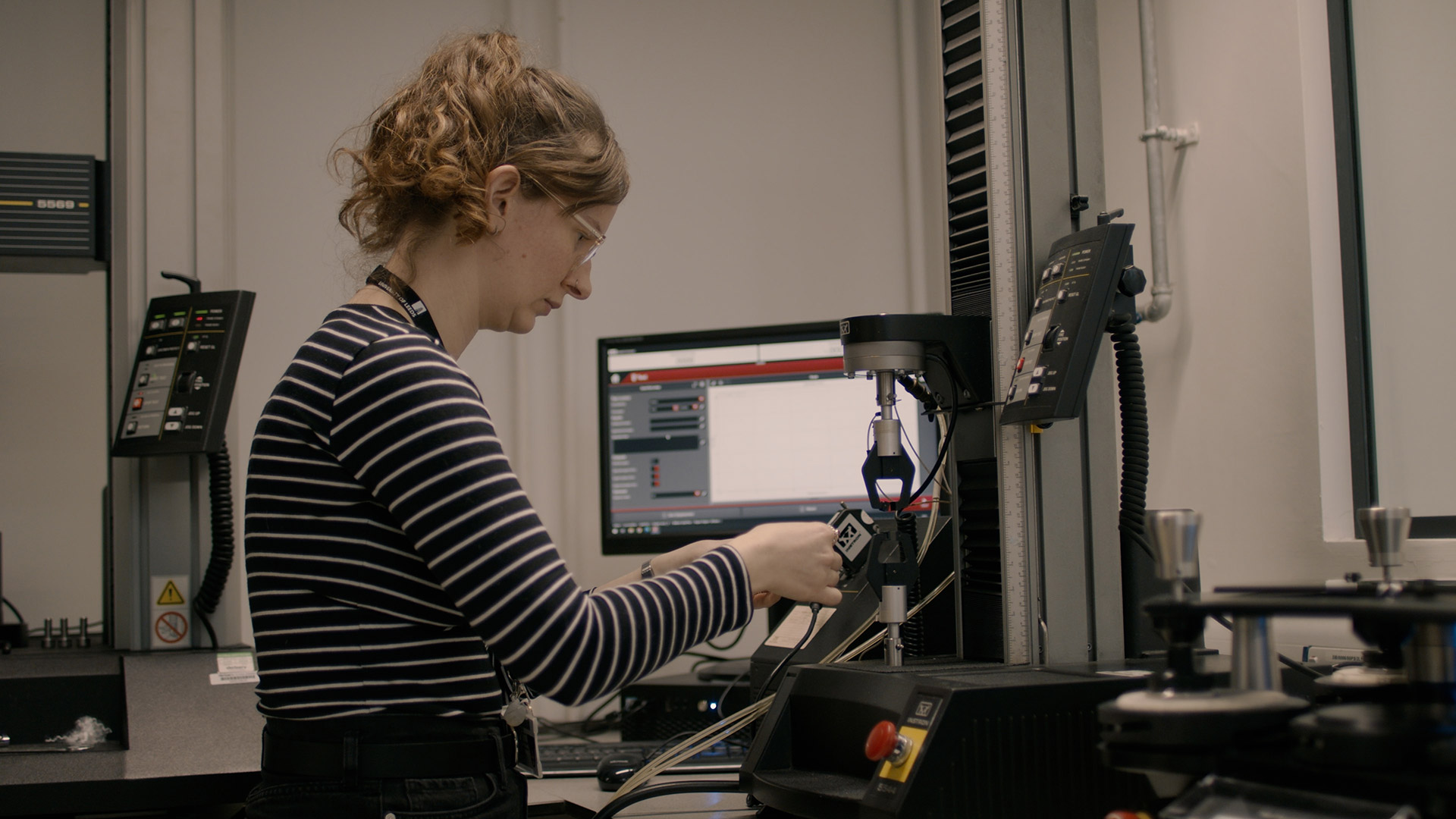
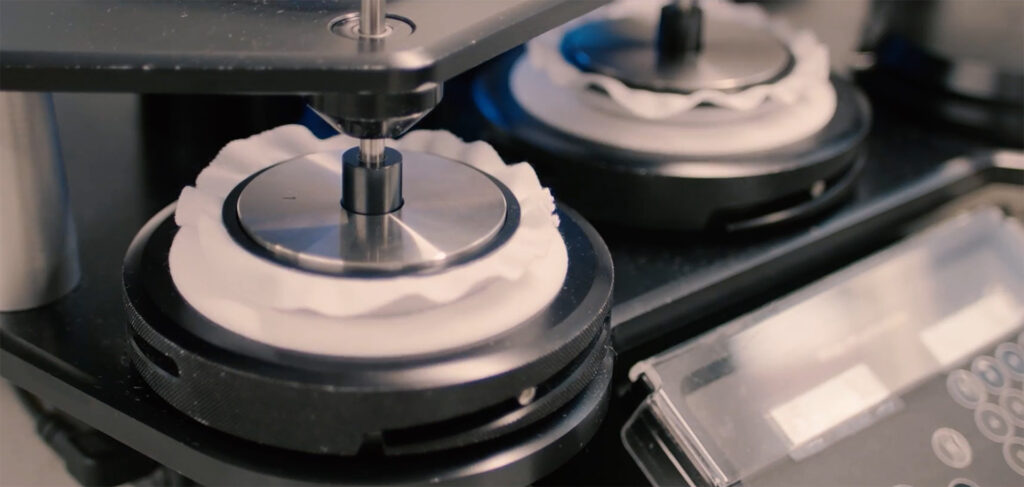
Textile testing laboratories use a variety of techniques to assess how fabrics and garments perform under different conditions. This may include measuring strength, evaluating resistance to abrasion, and assessing colour fastness.
For brands, these tests are not just technical checks; they are essential risk management tools. They help ensure consistency across production runs, reduce returns and complaints, and protect brand reputation. They also minimise the costs associated with trial-and-error production, helping products reach the market more efficiently.
In many cases, clothing must also meet regulatory standards. For example, OEKO-TEX® certification ensures textiles are free from harmful substances. Brands operating in global markets must comply with these standards and obtain the appropriate certifications to avoid delays, shipment rejections, or reputational damage.
Bridging the Knowledge Gap in Industry
Despite its importance, textile technology and testing knowledge is often fragmented across roles in the fashion industry. Designers, buyers, technologists, and manufacturers may each specialise in one area, but gaps in understanding across the product lifecycle can lead to costly miscommunication and errors.
Developing a more holistic understanding of textile production and performance allows professionals to collaborate more effectively, make informed decisions, and anticipate potential issues before they arise. This is particularly important as supply chains become more complex and sustainability considerations subject material choices and product durability to greater scrutiny.
Building Skills in Textile Technology and Testing
At the University of Leeds, our Textile Technology Programme and Introduction to Textile Testing course are designed for professionals seeking to strengthen their expertise and remain competitive in a rapidly evolving industry.
These hands-on courses are delivered on campus and combine theory with practical demonstrations in state-of-the-art facilities—bridging the gap between academic knowledge and real-world application.
The Textile Technology Programme offers an in-depth exploration of textile production, from fibre properties through to final product construction. It is ideal for professionals seeking a comprehensive understanding of how materials and processes influence garment performance.
The Introduction to Textile Testing course focuses on practical methods for evaluating fabric performance, durability, and quality. It is particularly suited to those working in quality assurance, product development, or manufacturing roles who want to build confidence in testing methods and standards.
Both are designed to provide immediately applicable skills, enabling learners to make more informed decisions, improve product outcomes, and add tangible value to their organisations.
Invest in Better Products and Better Decisions
In a competitive and fast-paced industry, understanding textile technology and testing can make a measurable difference to product outcomes. It allows professionals to make more informed decisions at each stage of development, from material selection through to final production.
Building this knowledge helps reduce costly errors, improve consistency, and support more efficient ways of working. It also enables teams to respond more effectively to changing industry demands, including sustainability requirements and evolving customer expectations.
For individuals, developing these skills can strengthen day-to-day practice and open new opportunities within technical, product development, and quality-focused roles. For organisations, it supports the delivery of more reliable, high-quality products.