



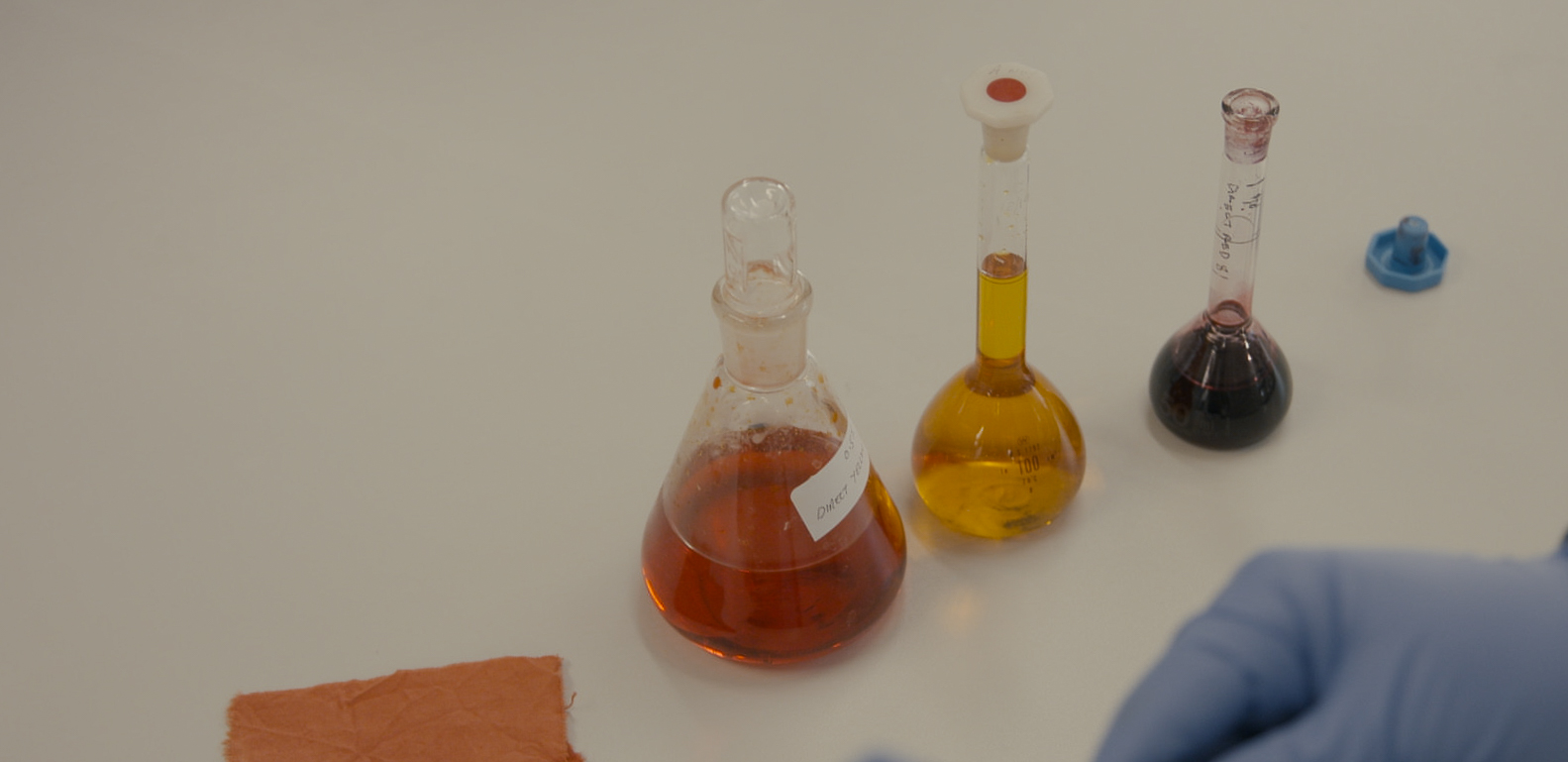



Colour is one of the first things we notice about a textile. But behind every shade is a complex set of decisions that can influence everything from material selection and production costs to quality, timelines and sustainability. For professionals working in the textiles and fashion industry, understanding what happens beyond the colour itself can provide valuable insight into the wider production process. A colour choice can affect more than the appearance of a finished fabric, influencing materials used, production costs, timelines, quality, and environmental impact.
This makes understanding the textile dyeing process extremely valuable. You don’t need to be a dyeing specialist to benefit from knowing how colour fits into the wider manufacturing process. It can help you make more informed choices, communicate effectively with manufacturers, and anticipate potential challenges before they arise. In any commercial dyeing process, four key factors matter most: cost, time, quality, and sustainability.
What does colour really cost?
Cost is one of the most important considerations in textile production. While colour may begin as a creative decision, its practical implications can extend into manufacturing.
The cost of dyeing depends on several factors, such as the fibre being coloured, the dyeing process used, and the shade depth required. The resources involved in achieving a particular colour can also affect the overall economics of production.
This is where a broader understanding of dyeing can be valuable. For designers and creatives, recognising that colour is not an isolated aesthetic choice can encourage earlier consideration of production requirements and help balance creative ambition with commercial realities.
When does a colour decision affect time?
Colour decisions can also influence production timelines. When colour is introduced in the manufacturing process affects when decisions must be made and how easily changes can be accommodated. Once production is underway, revisiting an earlier decision can create additional work, potentially affecting both lead times and costs.

Clear communication is therefore important. Everyone involved needs to understand colour specifications, from the initial design stage through manufacturing and quality control.
For creatives, understanding where dyeing sits within the wider production journey can make colour planning more strategic. It can also support more productive conversations with manufacturers, particularly when working to commercial deadlines.
What makes a dyed textile a quality product?
Achieving the right colour is only one aspect of textile quality. A successful dyed textile also needs to perform as expected throughout its intended use.
Colourfastness, consistency and durability can all influence how a textile is perceived by the customer. A fabric may look right when it leaves the production line, but its long-term performance matters just as much.
One challenge manufacturer’s may encounter is a ‘dyeing fault’ where the colour or appearance of a textile does not meet the intended specification. These issues can range from localised imperfections to variations affecting a larger area of fabric.
Quality control helps to identify and address these issues before products reach the market, ensuring a consistent finish and reducing waste. Understanding what can cause dyeing faults can also help those earlier in the supply chain to communicate requirements more clearly and work with manufacturers to achieve the desired result.
What are the Sustainability impacts of dyeing?
Sustainability has become an increasingly important consideration across the fashion and textile industries, and dyeing is an important part of that conversation.
Textile dyeing can require significant resources, including water and energy, along with the chemicals and materials needed to achieve and maintain colour. As brands and manufacturers look to reduce their environmental impact, there is increasing attention on how these processes can become more efficient and responsible.
The conversation is also being shaped by changing consumer expectations. Brands are under growing pressure to understand and communicate the environmental implications of their products, rather than treating sustainability as something separate from design and production.
For those in the textiles industry, understanding the environmental impact of different dyeing processes can support more responsible decisions about materials, colour, and production methods. Developing this knowledge can help creatives consider sustainability at an earlier stage of the design process.
Developing Your Knowledge
The value of understanding textile dyeing extends beyond knowing how a particular colour is produced. For professionals working in textiles and fashion, it is about understanding the relationship between creative decisions and the processes that bring those decisions to life. A stronger awareness of dyeing can support better conversations with manufacturers, more realistic production planning and greater consideration of quality, cost and sustainability.
It can also encourage a useful shift in perspective: colour is not simply an aesthetic outcome. It is part of a wider manufacturing decision. As the textile industry continues to focus on sustainability, efficiency, quality and responsible production, knowledge of textile processes is becoming increasingly valuable.
Developing an understanding of areas such as fibre types, dyeing processes, preparation and quality assessment can give professionals greater confidence when selecting materials, developing colour concepts and communicating with manufacturers.
The University of Leeds, School of Design’s Essentials of Textile Dyeing course is designed to introduce learners to both the theory and practical applications of textile dyeing. The course provides an opportunity to explore the dyeing process from preparation through to quality assessment, helping learners develop a broader understanding of how dyeing contributes to textile production.
The course is designed for those working in or alongside the textiles industry who want to strengthen their knowledge of dyeing and better understand its role within the wider production process.
As the industry continues to navigate the competing demands of creativity, commercial viability, quality and sustainability, understanding what happens beyond the colour itself can be a valuable professional skill. Because the better we understand the processes behind textiles, the better equipped we are to make informed decisions about the products we create.