







In today’s fast-changing business environment, organisations can no longer afford to view employee development as a “nice to have”. While learning and development budgets can often come under pressure, investing in your people is one of the most effective ways to build capability, strengthen resilience, and prepare your business for the future.
This is particularly true across the fashion, textiles and wider creative industries, where businesses are navigating significant change. From evolving sustainability requirements and increased focus on responsible practices to shifting consumer expectations, new technologies, and changing market demands, organisations need skilled, adaptable teams that can respond with confidence.
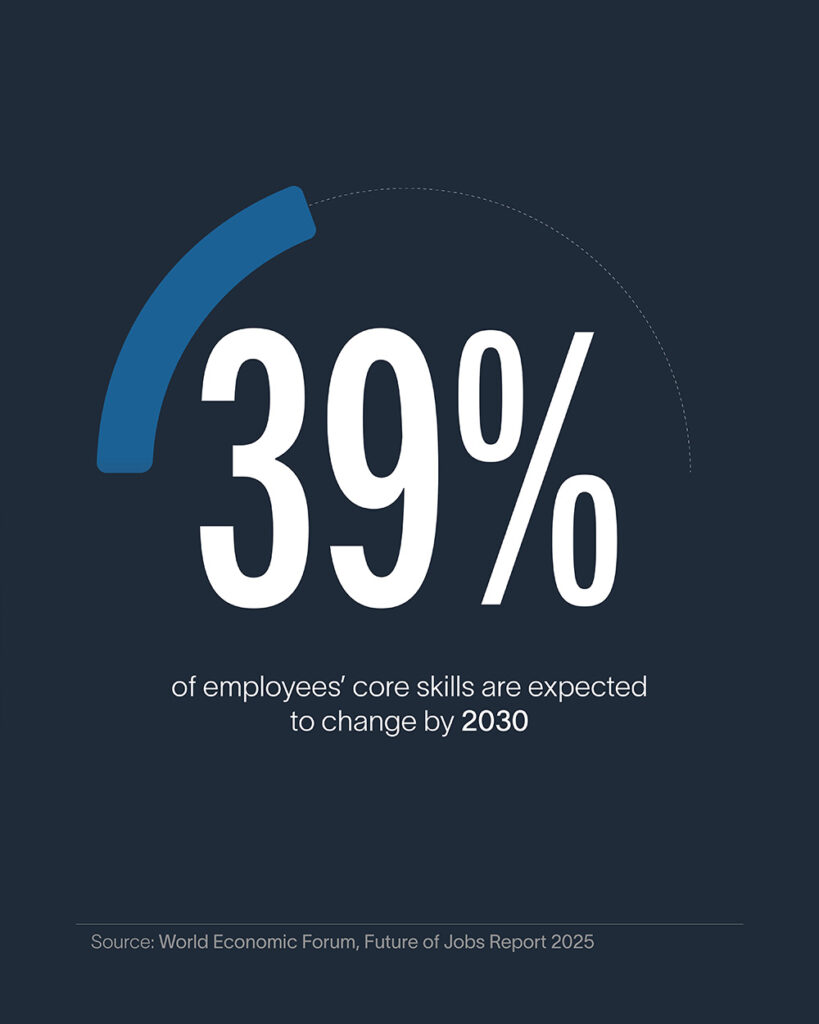
According to the World Economic Forum’s Future of Jobs Report 2025, 39% of employees’ core skills are expected to change by 2030, highlighting the pressing need to begin continuous learning and skills development now. It’s already being felt across businesses, as LinkedIn’s 2025 UK Workplace Learning Report shows that 57% of UK learning and talent professionals say their executives are concerned that employees do not have the skills needed to deliver business strategy.
For businesses, investing in workforce development is no longer simply about training; it is about building the knowledge, skills, and confidence needed to adapt, innovate, and grow.
Here are four reasons why investing in your workforce should be a priority.
1. Close Critical Skills Gaps
The skills businesses need are constantly evolving. Whether responding to advances in technology, changing customer expectations, sustainability requirements, or new ways of working, organisations need employees who can adapt and continue to develop.
Developing your existing workforce enables organisations to address skills gaps from within, while retaining valuable knowledge and experience. It also helps businesses build the specialist expertise and capabilities needed to remain competitive in an increasingly changing marketplace.
Recruitment will always play an important role but investing in the people you already have can be one of the most effective ways to build the skills your organisation needs for the future.
2. Employee Retention and Engagement
People are more likely to stay with organisations that invest in their growth and provide opportunities to develop new skills.
One common concern for businesses is that investing in employee development may encourage people to look elsewhere or increase expectations around progression and reward. However, research consistently shows that a lack of development opportunities is often a greater risk to retention than providing them.
Professional development demonstrates that employees are valued and that there are opportunities to build rewarding, long-term careers within the business. When people can see a future with an organisation, they are more likely to feel engaged, motivated, and committed.
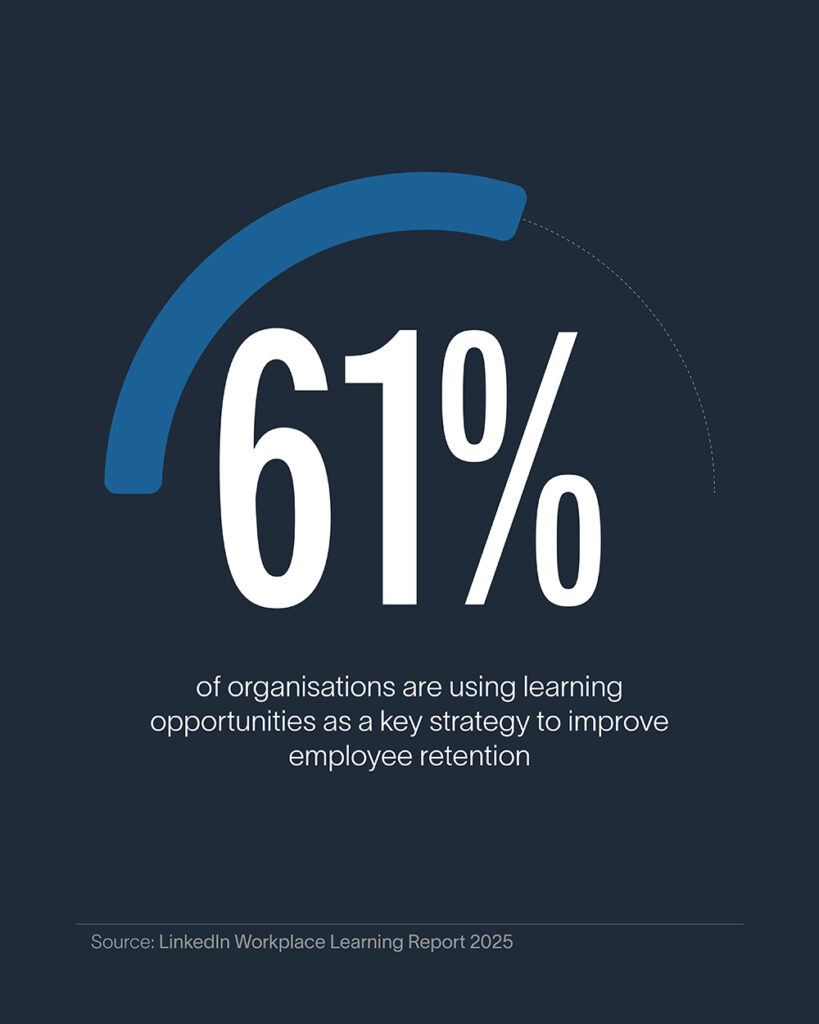
LinkedIn’s research shows that 61% of organisations are using learning opportunities as a key strategy to improve employee retention, highlighting the important relationship between development, engagement, and loyalty.
Investing in learning also helps organisations retain expertise, support career progression, and build a stronger pipeline of future talent. While employees may gain new skills, businesses benefit from a more capable, motivated, and adaptable workforce.
3. Innovation and Industry Change
Every industry is being shaped by change. From new technologies and evolving customer expectations to sustainability challenges and shifting market demands, businesses need teams that are prepared to adapt.
Providing ongoing professional development ensures employees have the confidence, knowledge, and capability to embrace change rather than simply react to it.
By encouraging people to develop new skills and explore new ideas, organisations can identify opportunities to improve processes, drive innovation, and create more effective ways of working.
4. Improve Processes and Drive Business Performance
Learning doesn’t just benefit individuals; it can create value across the entire organisation.
Employees who develop new skills often bring fresh perspectives, identify opportunities to improve processes, and introduce more effective ways of working. Over time, this culture of continuous improvement can support greater productivity, stronger collaboration, and better outcomes for both customers and the business.
The impact of this is highlighted in Gallup’s global workplace research, which found that highly engaged teams achieve 23% higher profitability and 18% higher productivity than their less engaged counterparts, demonstrating the wider business value of investing in people. Professional development is not simply an investment in individual employees; it is an investment in the long-term success, resilience, and growth of your organisation.
How the University of Leeds Can Support Your Business
At the School of Design Professional Learning, we work with businesses across the fashion, textiles, and creative sectors to develop practical, industry-focused learning opportunities.
Whether you’re looking for bespoke training tailored to your organisation, flexible online learning, or on-campus professional development, we offer programmes to suit a range of business needs and budgets.
If you’re ready to invest in developing the skills your workforce needs for the future, we’d love to discuss how we can help.