



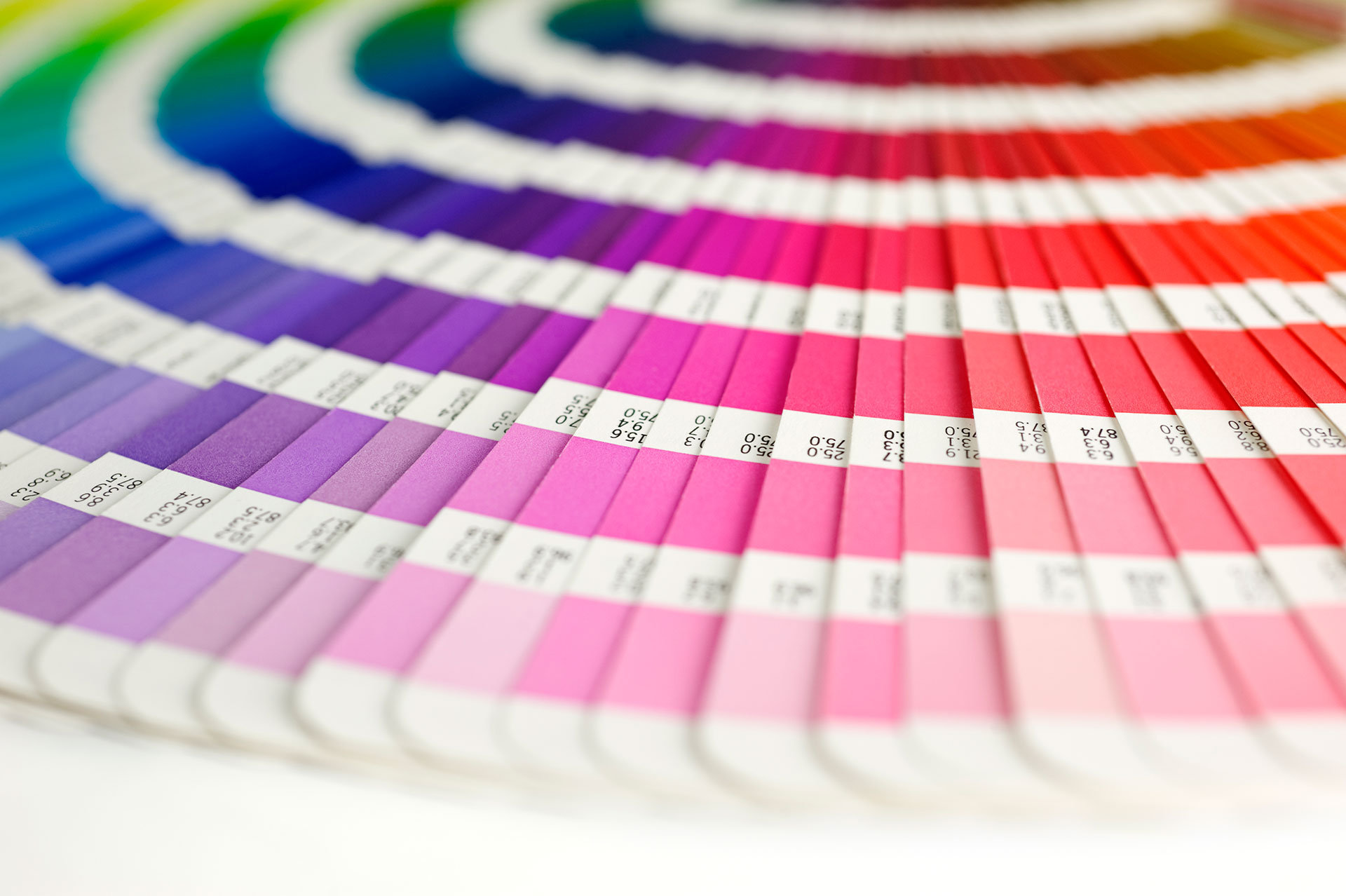



From branding and marketing to accessibility and user experience, colour influences how people think, feel and engage with the world around them.
Colour surrounds us every day, shaping our experiences in ways we often do not consciously notice. From branding and advertising to digital products and public spaces, colour helps communicate messages, influence perceptions and guide decision-making.
While colour is often viewed as a creative choice, it is also a powerful communication tool. In an increasingly visual world, understanding colour is becoming an essential professional skill. Whether you work in marketing, communications, design, digital content creation, education or business, knowledge of colour theory and colour psychology can help you communicate more effectively, make stronger decisions and create more meaningful connections with audiences.
The Impact of Colour
Colour plays a fundamental role in how information is communicated and understood. It helps attract attention, create meaning and shape our interpretation of the world around us.
Colour design is the creative and strategic process of selecting and applying colour to achieve specific goals. Understanding colour goes far beyond aesthetics. It combines psychology, creativity, communication and strategy, making it a valuable skill across a wide range of industries.
People perceive and experience colour differently based on factors such as culture, context, personal experience and physiology. These differences can present challenges when developing effective design solutions, making colour knowledge particularly important for those involved in visual communication.
Colour as a Language
We process visual information more quickly than text, meaning colour often shapes our response before we consciously recognise it.
Different colours can evoke different emotional responses. Blue is frequently associated with trust, reliability and professionalism, which is why it is commonly used by financial institutions and technology companies. Yellow is often perceived as optimistic and energetic, while black is frequently associated with sophistication, luxury and authority.
However, colour meanings are rarely universal. Cultural associations, personal experiences and context all influence how colour is interpreted. For example, blue is often a popular choice for financial institutions in Western cultures. In many Eastern cultures, however, red is more commonly used for financial branding because it symbolises luck and prosperity.
This complexity is what makes colour both fascinating and challenging to work with. Understanding cultural colour associations can help organisations avoid costly marketing mistakes and improve the effectiveness of international campaigns. For example, Pepsi changed the colour of its vending machines from royal blue to ice blue. The change was reportedly not well received in parts of Southeast Asia, where light blue is often associated with mourning and death, leading the company to return to its original branding in those markets.

Shaping Perception, Trust and Engagement
First impressions are often visual, and colour plays a significant role in how we perceive and engage with products, brands and experiences.
Businesses invest considerable time and resources in colour choices because colour can influence how audiences feel about a brand. Effective use of colour can reinforce brand identity, increase recognition and strengthen emotional connections with customers.
Colour also plays an important role in digital environments. From website navigation and advertising campaigns to social media content, colour helps guide attention, highlight important information and improve user experiences. When used effectively, it can make information easier to understand, improve accessibility and increase engagement.
For professionals working in marketing, communications, design, and digital content creation, understanding colour theory can provide a valuable advantage in creating effective, user-centred experiences.
Why Colour Knowledge Is an Essential Professional Skill
As industries become increasingly digital and visually driven, colour knowledge is no longer limited to designers and creative professionals.
Understanding colour can help individuals:
- Communicate ideas more effectively.
- Make stronger creative decisions.
- Improve brand consistency.
- Enhance audience engagement.
- Create more accessible content.
- Build confidence in visual communication.
Whether creating a marketing campaign, designing a website or developing customer experiences, informed colour choices can strengthen engagement, improve usability and support clearer communication.
Professionals who understand how colour influences perception, behaviour and decision-making are better equipped to create meaningful and effective visual communications.
Developing Colour Confidence
Developing a stronger understanding of colour can help you communicate more confidently, make more creative design choices, and better understand how audiences respond to visual communications.
The University of Leeds, School of Design Introduction to Colour: From Theory to Practice is designed to help learners explore both the theory and real-world application of colour. Covering topics such as colour harmony, psychology, accessibility and communication, the course offers practical insight into how colour influences the way we think and feel.
Learners will explore how colour can be used to attract attention, communicate messages and enhance user experience. The course also introduces standardised tools for accurate colour communication and develops the skills needed to evaluate colour choices for effective design solutions.
As organisations place greater emphasis on visual communication, user experience and accessibility, the ability to use colour effectively is becoming increasingly important. Developing colour knowledge can help professionals make more informed decisions, create stronger audience connections and communicate with greater impact across a wide range of industries.